


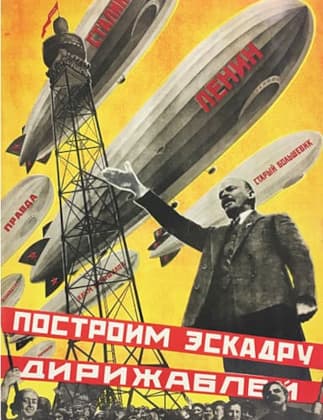
AIRSHIPS BETWEEN THE WARS Lighter than Air Ships Between World Wars
The Japanese Navy established its own Naval Aeronautics Research Association in 1912. It developed an interest in airships during World War 1, especially after witnessing the effectiveness of German Zeppelins in naval battles.
It received one Zeppelin dirigible as part of German World War 1 reparations. This was one of their naval ‘super zeppelin class’ L37 (LZ 75). However, the Japanese were not interested in taking airship technology further at that time. Although they did retain a few engines, gas...
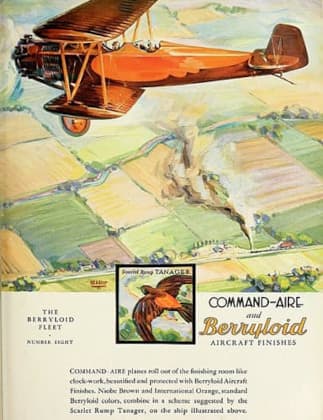
Heavier Than Air Flight 1928
1928 was a lively year for aviation, with some exciting developments and also a few quirky innovations. The Soviet Union’s first five year plan delivered fighters and light bombers that sold in thousands down the years. While the United States continued producing small commercial biplanes and maintaining its military advantage.
Britain, on the other hand, focused more on maintaining control over its far-flung empire with technology that sometimes seemed to stand still. But France’s luxurious airliners were what really seized...
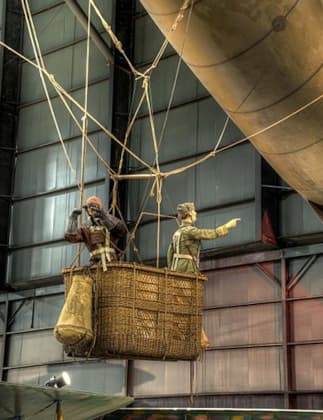
AIRSHIPS IN WORLD WAR 1 The Airship at War: 1914 – 1918
Europe entered World War One poorly prepared, despite the warning signs conflict was looming. Germany alone had developed large, powerful dirigibles capable of carrying and delivering payloads.
Britain’s cities in the South of England were obvious targets, with few military aircraft and only rudimentary anti-aircraft guns to defend against attacks from the sky above. The impact on the civilian population was terrifying. In hindsight it’s hard to imagine how the government allowed such a strategic gap to open up.
Germany Had...
Heavier Than Air Flight 1906 – 1910
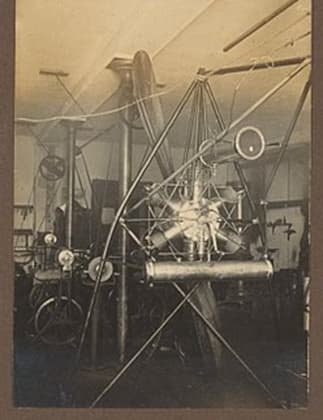
Traian Vuia Makes First Flight on a Tractor Airplane (March, 1906)
Traian Vuia, also called Trajan Vuia was a Romanian inventor and aviation pioneer who built the world’s first tractor monoplane. This meant it had the engine mounted behind the propeller so it pulled the aircraft through the air. As opposed to pushing it with an airscrew positioned behind the motor.
Traian Vuia, also called Trajan Vuia was a Romanian inventor and aviation pioneer who built the world’s first tractor monoplane....
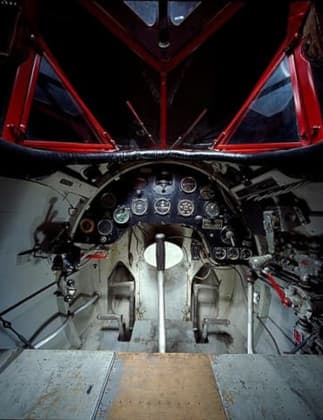
Heavier Than Air Flight 1927
Aircraft design took a sudden, almost unprecedented step forward in 1927. Sure, the customary procession of faster, more deadly military aircraft continued. But something else was in the air. The challenge of crossing the Atlantic Ocean, and traveling in luxury airliners to the four corners of the world beckoned.
Of course, this was only in its infancy, although Fokker and Farman were getting closer to daring to do it. Meanwhile Charles Lindbergh and Amelia Earhart were a step ahead. They...
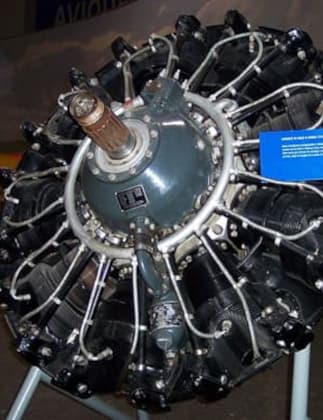
Heavier Than Air Flight 1930
The move from wooden to metal construction quickened pace in 1930. High wing monoplanes became increasingly common with smaller aircraft, although very large bombers and airliners were still mainly biplanes. The new contender, cantilever, low wing monoplanes kept knocking at the door and there was some success.
Meanwhile, the Great Depression stifled good ideas among commercial airliners that might otherwise have done well. By contrast, sales of smaller utility aircraft and personal transport continued to grow, as affordable airplanes found...
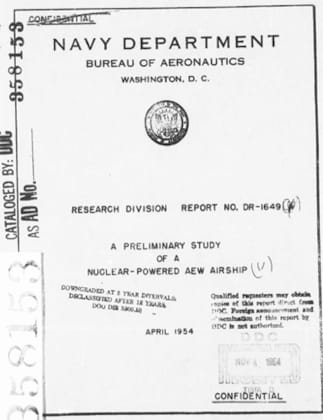
The 1954 American NUCLEAR Powered Airship Program
The American Nuclear Powered Airship Program
President Dwight Eisenhower addressed the United Nations on December 8, 1953, when he argued the need to stop nuclear weapon proliferation. He hoped to see atoms used for peace, although his dream went largely unfulfilled.
Nuclear power for flight had intrigued the U.S. throughout the Cold War. It would help maintain a round-the-clock defensive presence, armed with powerful nuclear weapons in case the Soviet Union threatened imminent attack.
F.W. Locke Jr investigated the feasibility of using...

Airships of the 21st Century Take A Fresh Breath
Airships had largely moved on from bulk passenger transport, and long-range military surveillance by the dawn of the 21st century. Fast jet planes and orbital satellites dictated new roles for the largest cargo vessels we may ever see.
Their role would shift to heavy lifting, and large cargoes to remote places. They would be able to remain aloft for weeks, and this would attract new investors. The world’s oldest aircraft technology would gradually become less dependent on the human factor....
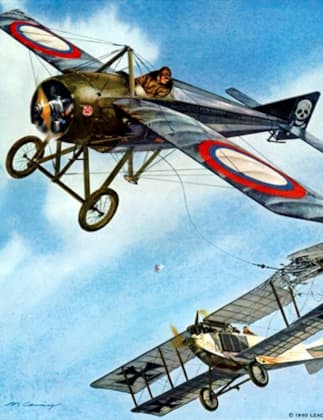
Heavier Than Air Flight 1915 to 1917
1915
Fixed wing aircraft evolved steadily from experimental to a greater degree of certainty. The quality of innovation and designs improved, although it still remained an appendage to the main war effort. Notable events included marine-air partnerships, synchronised weapons, faster fighters and more effective bombers.
U12 German Submarine Plays Seaplane Ferry (January 1915)
German Submarine U12 was a conventional attack submarine, laid down in 1912. However in early 1916 the admiralty decided to lash a Friedrichshafen FF.29 seaplane to her deck, and...
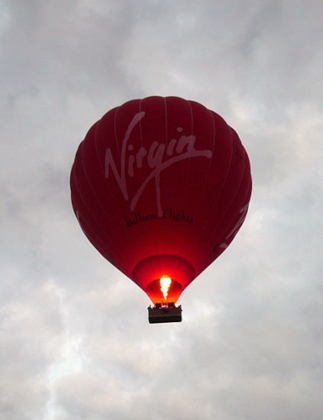
Principles of Flight – Weight, Lift, Thrust, and Drag
The history of flight is a record how humankind defied Earth’s gravity, and more recently escaped it. Four factors have consistently been at play. Those who failed to control these have sometimes paid with their lives, or at least their aircraft.
Our understanding of flight history will be greatly enriched by understanding the dynamics of flight. We will be able to sense the particular challenges each step forward faced, and mostly conquered.
Up In the Air – The Four Factors that...
